
How Often Can You Do Red Light Therapy for Optimal Results
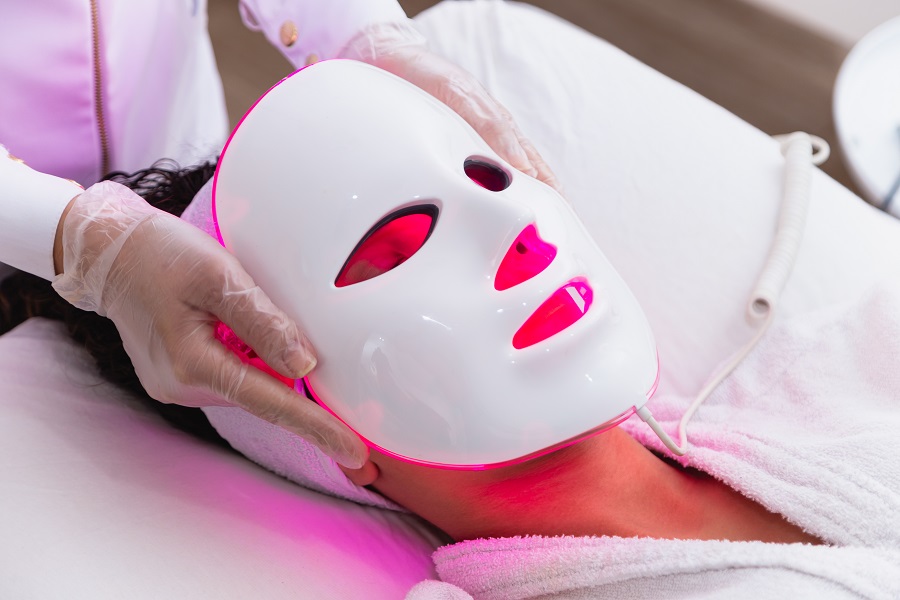
If you're considering red light therapy, you might wonder how often you should use it to see real benefits without overdoing it. The truth is, there's no one-size-fits-all answer; your routine depends on your goals, skin sensitivity, and even how advanced your device is. Before you jump into a schedule, it's worth understanding what really influences your results—and how you can make every session count.
How Often Should You Use Red Light Therapy?
Determining the frequency of red light therapy sessions depends on the intended outcomes.
The experts in charge of the red light therapy by Quantum Wellness generally suggest starting with 2-5 sessions per week to observe measurable improvements.
This frequency allows the body to receive consistent stimulation, which can be beneficial for skin enhancement or pain management.
Research indicates that engaging in twice-weekly, 20-minute sessions may substantially improve specific skin conditions when adhered to over time.
For objectives such as wound healing or addressing acute pain, daily sessions may be advisable initially, with a reduction to 3-5 times weekly as progress is made.
It's important to maintain regularity over several weeks or months, as inconsistent sessions might impede progress and diminish results.
Establishing a regular schedule is crucial to optimize the therapy's effectiveness.
Key Factors That Affect Your Red Light Therapy Routine
Several key factors influence the frequency and duration of red light therapy sessions.
The irradiance of the device is a primary consideration; devices with higher irradiance levels, typically at least 100 mW/cm², allow for shorter session durations while maintaining efficacy.
Additionally, the specific area being treated is significant—skin-related concerns generally require less time compared to conditions like joint pain.
Age and overall health also play a role, with older individuals advised to adopt a more cautious approach initially.
For those with sensitive skin, starting with shorter sessions and gradually increasing duration is advisable.
Finally, individual goals and any medical advice provided by healthcare professionals will aid in tailoring a safe and effective therapy routine.
Does the Time of Day Matter for Red Light Therapy?
The optimal timing for red light therapy sessions largely depends on the desired outcomes.
Research suggests that morning sessions can enhance mental clarity, elevate mood, and reduce sleep inertia.
Conversely, treatments conducted in the evening may support melatonin production, potentially improving sleep quality. For athletes, undergoing therapy a few hours before exercise might boost physical performance.
It's advisable to experiment with different timings, such as morning sessions for increased focus and evening sessions for better sleep, to determine what aligns best with individual goals and responses to red light therapy.
Proven Ways to Boost Red Light Therapy Results
To enhance the effectiveness of red light therapy, it's important to focus on evidence-based strategies that can optimize each session.
Devices that emit wavelengths in the range of 600-900 nanometers are recommended because they can effectively penetrate the skin, promoting collagen production and increasing cellular energy.
A consistent routine of 3-5 sessions per week, with each session lasting 10-20 minutes, can lead to noticeable improvements within approximately one month.
It's advisable to start with shorter sessions and gradually increase the duration to allow the body to adjust to the therapy.
Following each session, the application of a hydrating serum containing aloe vera can aid in skin recovery.
Maintaining a distance of 6-12 inches from the device is suggested for safe and even exposure, ensuring maximum effectiveness of the treatment.
How to Stay Safe and Avoid Risks With Red Light Therapy
To ensure the effectiveness and safety of red light therapy, it's advisable to begin with short sessions of 5-10 minutes and gradually increase the duration if your skin can tolerate it, with a maximum limit of 30 minutes to prevent burns or blisters.
It's essential to wear protective goggles specifically designed for red light therapy, as regular sunglasses don't offer adequate eye protection.
Individuals with medical conditions such as lupus or those taking photosensitive medications should consult their healthcare provider prior to undergoing red light therapy.
For individuals with darker skin tones, it's recommended to use lower light intensities (50-75%) and monitor the skin closely for any signs of irritation.
If redness occurs, it's a signal that the skin needs a break from the treatment.
How to Choose the Best Red Light Therapy Device
When selecting a red light therapy device, it's essential to consider safety and functionality to find one that meets your specific needs.
Prioritize models that are FDA-approved or registered to ensure both safety and effectiveness.
Devices that emit wavelengths between 600-900 nm, encompassing red and near-infrared lights, are recommended for their ability to penetrate deep tissue.
A power density of at least 100 mW/cm² is necessary to achieve effective results.
The presence of multiple LEDs can contribute to more uniform light distribution.
Features such as timers, included eye protection, and EMF-free operation can enhance the safety of your sessions.
Additionally, consider the balance between device size and cost in relation to your therapeutic goals.
Common Mistakes to Avoid With Red Light Therapy
Exceeding recommended durations for red light therapy, such as going beyond 30 minutes, can lead to adverse effects like burns or blisters.
Additionally, using proper eye protection is essential, as regular sunglasses don't offer sufficient protection against possible eye damage.
Those with darker skin tones should be cautious, as higher intensities may result in irritation or photosensitivity.
Initiating red light therapy with extended sessions without gradual adaptation can overwhelm the skin, potentially diminishing the therapy's effectiveness due to the biphasic dose-response curve.
Consulting with a healthcare professional is advisable, particularly for individuals with existing medical conditions, to prevent negative reactions or interactions with underlying health issues.
Conclusion
To get the most out of red light therapy, start with short, frequent sessions—think 2-5 times per week—and adjust as your body responds. Pay attention to factors like your goals, skin type, and device quality. It’s smart to consult a healthcare provider, especially if you’re new to the therapy. With a personalized plan and some patience, you’ll safely boost your results and enjoy the full benefits of red light therapy.